Introduction to Bamboo Fabric
Bamboo fabric is a sustainable and innovative alternative to traditional textiles, offering exceptional softness, breathability, and moisture-wicking properties. Compared to conventional fabrics like cotton and polyester, bamboo fabric stands out for its environmental benefits, superior comfort, and natural qualities.
Unlike synthetic fabrics, bamboo fabric is gentle on sensitive skin and allows for natural air circulation. The unique bamboo fiber structure, featuring micro-gaps and holes, enhances breathability and comfort by facilitating airflow, heat dissipation, and moisture-wicking.
The benefits of bamboo fabric make it an ideal choice for everyday clothing, including bamboo clothing and bamboo textiles. Bamboo requires minimal water and no pesticides or fertilizers to grow, making it a more sustainable option compared to conventional crops like cotton.
The Bamboo Plant
-
Bamboo is a fast-growing plant that can grow up to three feet per day, making it a highly renewable resource. Unlike hardwood trees, which can take decades to mature, bamboo reaches maturity in just a few years, giving it a significant sustainability advantage.
-
Bamboo cultivation requires minimal water and no pesticides, reducing the environmental impact of bamboo products. Its natural pest resistance means bamboo can thrive without chemical fertilizers or pesticides, further enhancing its environmental benefits.
-
The bamboo plant is a natural and sustainable resource that can be used to produce a variety of products, including bamboo fabric and bamboo clothing. Compared to cotton farming, bamboo requires less water and fewer chemicals, resulting in a lower environmental impact.
Benefits of Bamboo
Bamboo fabric offers numerous benefits, including moisture-wicking properties, natural UV protection, and hypoallergenic properties. Compared to other fabrics, bamboo fabric stands out for its superior softness, breathability, and moisture-wicking capabilities.
Bamboo clothing is breathable, soft, and gentle on sensitive skin, making it an ideal choice for everyday wear. Bamboo is a natural fibre, and bamboo fibre is both biodegradable and eco-friendly.
The benefits of bamboo fabric include its ability to regulate body temperature, absorb moisture, and provide natural antibacterial properties. Bamboo fabric absorbs moisture approximately 3-4 times more than cotton by weight. It wicks moisture away from the skin significantly faster than cotton, preventing a damp feeling during physical activity.
Bamboo fabric is also durable and long-lasting, making it a great investment for those looking for high-quality clothing. It is generally softer than cotton and retains its softness longer after multiple washes. Bamboo fabric is more breathable than cotton, allowing for better air circulation and temperature regulation. In addition, bamboo fabric provides UV protection, and can achieve UPF ratings ranging from 20 to 50 depending on the fabric's density and processing, helping to block harmful UV rays. Bamboo fabric feels naturally cool to the touch due to its highly breathable structure and superior moisture management.

Types of Bamboo Fabric
Bamboo Viscose
-
Bamboo viscose, also known as bamboo rayon, is a type of bamboo fabric made from bamboo pulp that has been processed into a soft and silky fabric.
-
The production process for bamboo viscose involves dissolving bamboo pulp in chemicals such as carbon disulfide, which raises environmental concerns if not managed properly.
-
Bamboo viscose is often used to make clothing, bedding, and towels due to its breathability and moisture-wicking properties.
-
However, some bamboo viscose products may contain harmful chemicals, so it’s essential to choose high-quality bamboo viscose from reputable manufacturers. Most bamboo clothing is made from bamboo viscose, and the production method can affect the fabric's sustainability and biodegradability.
-
Bamboo viscose is a popular choice for bamboo clothing and bamboo textiles due to its softness and durability.
Bamboo Lyocell
-
Bamboo lyocell is a type of bamboo fabric made using a closed-loop system that recycles 99% of the solvents used in the production process.
-
Bamboo lyocell is also breathable, moisture-wicking, and hypoallergenic, making it an ideal choice for sensitive skin.
-
Bamboo lyocell is a great option for those looking for a sustainable and eco-friendly bamboo fabric.
Bamboo Linen
-
Bamboo linen is a type of bamboo fabric made from mechanically processed bamboo stalks.
-
Bamboo linen is breathable, moisture-wicking, and hypoallergenic, making it an ideal choice for clothing and home textiles.
-
Bamboo linen is a great option for those looking for a natural and sustainable bamboo fabric.
Production Process
The journey of bamboo fabric begins with the careful harvesting of mature bamboo stalks, typically after three to five years of growth. Once harvested, these bamboo stalks are crushed and treated with natural enzymes to break down their cellular structure, releasing the strong and flexible bamboo fibers. These fibers are the foundation for a variety of bamboo textiles, each produced through different methods.
Bamboo viscose, the most common type of bamboo fabric, is created by chemically processing bamboo fibers into a soft, silky material. While this method produces a luxurious fabric, it is important to seek out high quality bamboo viscose from manufacturers who prioritize eco friendly practices. In contrast, bamboo lyocell is made using a closed-loop system that recycles almost all solvents, significantly reducing environmental impact and making it a more sustainable choice. For those seeking a fabric with a more natural feel, mechanically processed bamboo linen is produced by physically crushing the bamboo stalks and using natural enzymes to extract the fibers, resulting in a textured and durable fabric. Each of these methods highlights the versatility of bamboo fibers and the innovative ways they can be transformed into eco friendly bamboo fabric suitable for a wide range of uses.
Bamboo Clothing
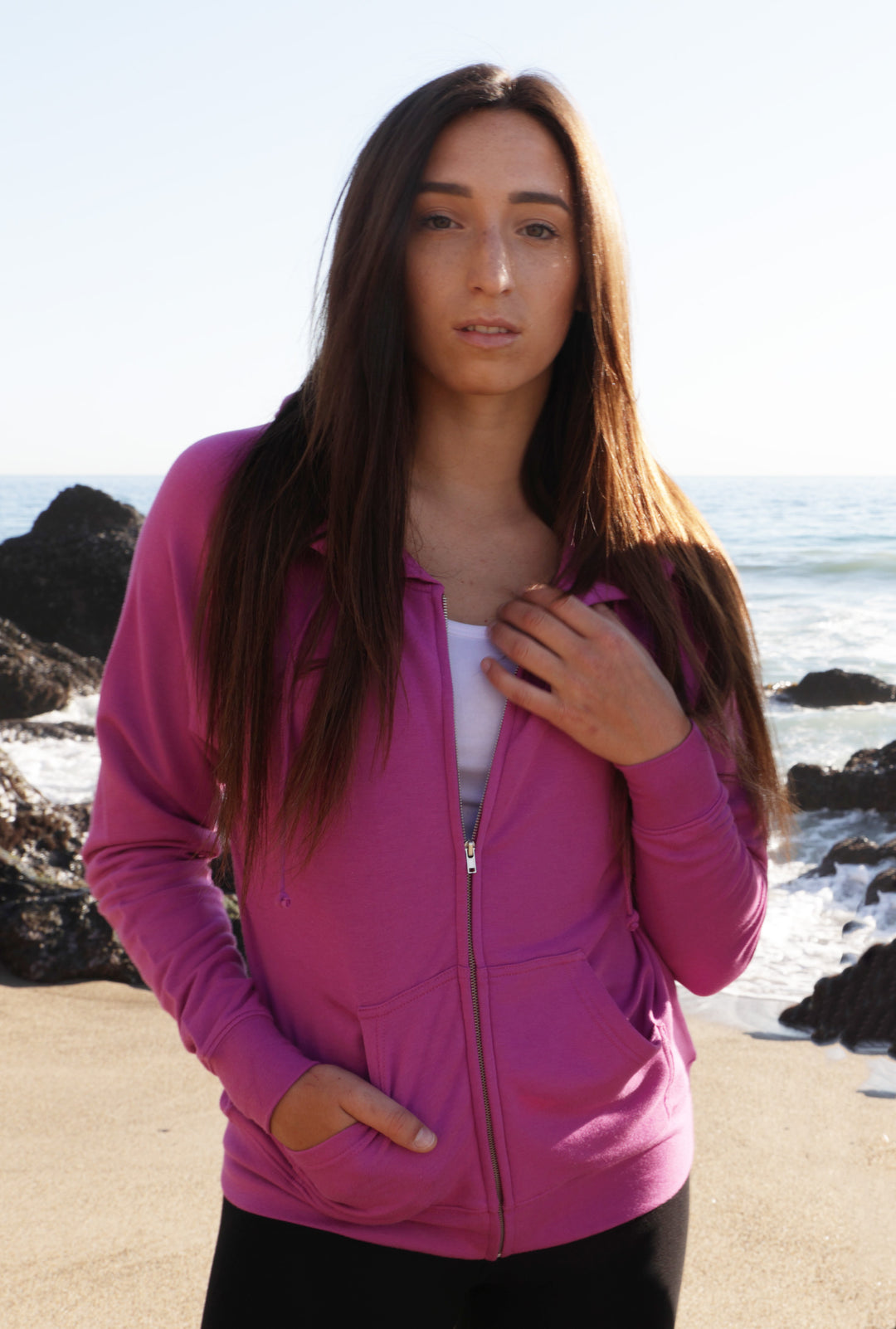
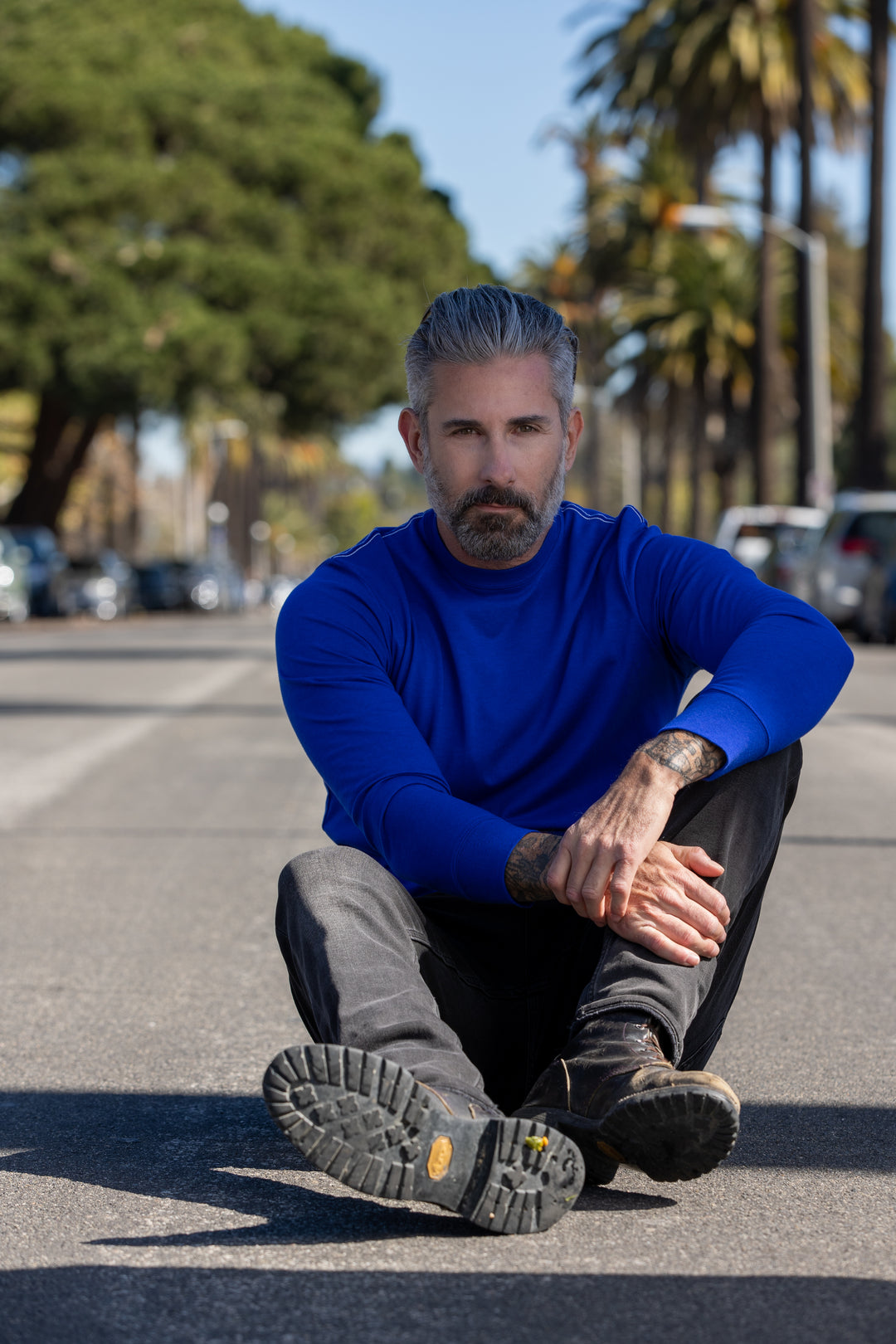
Bamboo clothing is a popular choice for everyday wear due to its breathability, softness, and moisture-wicking properties. Bamboo clothes are known for their sustainability and comfort, making them a premium, versatile option for eco-conscious consumers. Bamboo clothing is ideal for sensitive skin, as it is hypoallergenic and gentle on the skin.
Bamboo clothing is also a sustainable and eco-friendly option, as it is made from natural fibers and produces less waste than traditional clothing. Bamboo clothing typically lasts 1.5 to 2 times longer than standard cotton, maintaining its softness and shape. Additionally, quality bamboo fabric resists pilling better than many cotton alternatives and maintains its color fastness through repeated washing when cared for properly.
Bamboo clothing is a great option for those looking for a comfortable and sustainable wardrobe. Certifications like OEKO-TEX Standard 100 and GOTS help consumers identify bamboo garments that are produced sustainably and free from harmful chemicals.
Eco Friendly Fashion
Eco-friendly fashion is a growing trend, and bamboo fabric is at the forefront of this movement. Compared to organic cotton, which is also known for its natural, eco-friendly qualities and suitability for sensitive skin, bamboo fabric offers excellent moisture management and sustainability, making both fabrics strong choices for environmentally conscious consumers.

Bamboo fabric is a sustainable and eco-friendly option that reduces waste and minimizes environmental impact. Eco-friendly fashion brands are incorporating bamboo fabric into their designs, offering consumers a stylish and sustainable choice. Bamboo fabric is a great option for those looking to make a positive impact on the environment through their fashion choices. Bamboo fabric can also be biodegradable, but the biodegradability depends on the processing method used.
Bamboo Fabric Suitable for Everyday Use
Bamboo fabric is perfectly suited for everyday clothing thanks to its exceptional softness, breathability, and advanced moisture wicking properties. Unlike synthetic fabrics, bamboo fibers allow for natural airflow, helping to keep your skin cool and dry throughout the day. The smooth texture of bamboo fabric feels gentle against sensitive skin, making it a favorite for those with skin sensitivities or allergies.
One of the standout benefits of bamboo fabric is its natural antibacterial properties, which help prevent the growth of odor-causing bacteria and keep clothing fresher for longer. This makes bamboo fabric an excellent choice for items worn close to the skin, such as underwear, socks, and activewear. Additionally, bamboo fabric offers natural UV protection, providing an extra layer of defense against harmful rays—ideal for sun protective clothing and baby clothes. Its hypoallergenic qualities and ability to absorb moisture make bamboo fabric suitable for everyone, from infants to adults, ensuring comfort and protection in all types of everyday clothing.
Caring for Bamboo Fabric
Caring for bamboo fabric is easy, as it is breathable, moisture-wicking, and hypoallergenic. Bamboo fabric requires gentler treatment than many conventional materials due to its regenerated cellulose structure.
Bamboo fabric can be machine washed and dried, but it’s recommended to use a gentle cycle and cold water. Bamboo fabric should be washed in cold or lukewarm water (30°C/86°F maximum) to prevent fiber damage and color fading. It should also be washed on gentle or delicate cycles with slower spin speeds to minimize mechanical stress on the fabric.
Bamboo fabric should not be ironed, as it can damage the fabric and reduce its breathability. Avoid bleach, fabric softeners, and detergents containing brightening agents, as these chemicals can degrade bamboo fibers.
Bamboo fabric is a low-maintenance option that requires minimal care and attention. Air drying or flat drying is the ideal method for drying bamboo fabric, and when machine drying is necessary, use low heat and remove items while still slightly damp. Bamboo fabric can shrink if washed or dried at high temperatures, so always use cold water and avoid high heat. Bamboo fabric should be stored in cool, dry, well-ventilated areas to prevent mold and mildew growth.
Conclusion
In summary, bamboo fabric is a sustainable and eco friendly material that delivers outstanding comfort and performance for everyday use. The production process, from harvesting bamboo stalks to treating them with natural enzymes and transforming the fibers into various types of fabric, showcases the innovative and environmentally conscious methods behind bamboo textiles. With its moisture wicking abilities, exceptional softness, and suitability for sensitive skin, bamboo fabric represents a superior alternative to traditional textiles.

The benefits of bamboo fabric extend beyond comfort—its natural antibacterial and hypoallergenic properties, minimal water requirements, and reduced environmental impact make it a responsible choice for conscious consumers. As awareness grows about the importance of sustainable materials, bamboo fabric is set to play a leading role in the future of eco friendly fashion. By choosing bamboo fabric, you not only enjoy a breathable, soft, and durable material, but also support environmentally responsible production methods that benefit both people and the planet.
Frequently Asked Questions
Is bamboo fabric good for everyday clothing?
Yes. Bamboo fabric is ultra-soft, breathable, and moisture-wicking, making it ideal for everyday wear. As a breathable fabric, it is especially suitable for hot weather, helping to keep you cool and comfortable by managing sweat and promoting airflow. Travelers love bamboo clothing for its comfort, convenience, and versatility, making it a practical choice for a variety of situations. Spun Bamboo clothing helps regulate body temperature and stays comfortable all day.
How do you care for bamboo fabric clothing?
Wash bamboo clothing on a gentle cycle with cold water and mild detergent. Avoid high heat and ironing to preserve softness, stretch, and breathability.