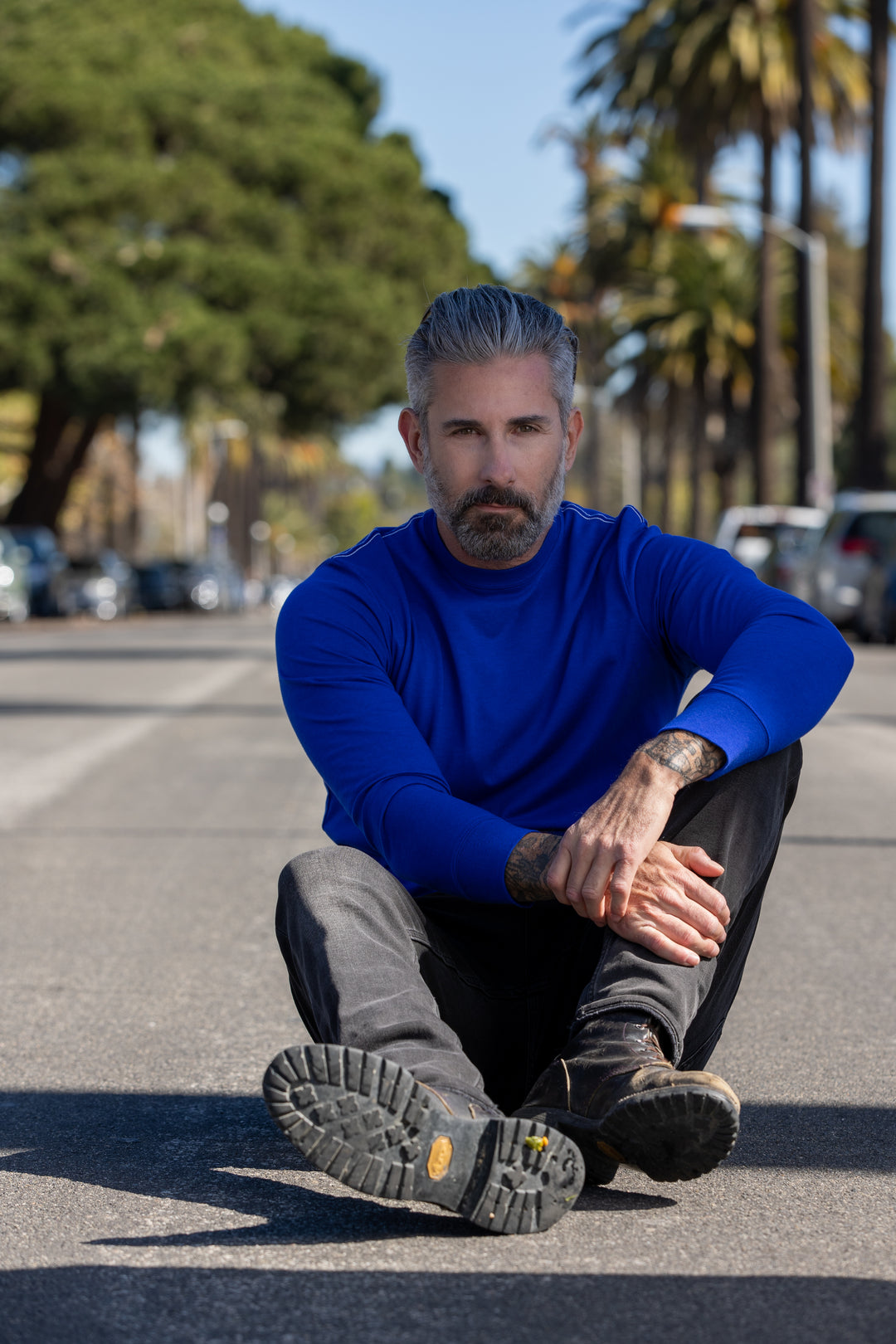
Slow fashion is about choosing quality, sustainability, and ethics in clothing. It stands in contrast to the fleeting trends of fast fashion. This guide will explain what slow fashion is, why it’s important, and how you can be part of it.
Key Takeaways
-
Slow fashion emphasizes quality, sustainability, and ethical production, opposing fast fashion’s rapid production and wasteful practices.
-
The movement encourages consumers to adopt mindful purchasing habits, focusing on durable and timeless clothing to reduce environmental impact.
-
Despite challenges like higher costs, slow fashion promotes long-term benefits for the planet, garment workers, and consumers through sustainable practices.
Understanding Slow Fashion
Slow fashion prioritizes quality, sustainability, and ethical practices, contrasting sharply with fast fashion’s focus on fleeting trends and mass production. It encourages fashion consumers to make thoughtful purchases, support sustainable brands, and value their clothing.
Fast fashion giants produce cheap clothing rapidly, whereas slow fashion brands emphasize durable, high-quality garments, reducing the need for frequent replacements and minimizing waste. Fast fashion trends and fast fashion brands contribute to this rapid production cycle.
What is slow fashion?
Slow fashion promotes ethical practices and sustainability in clothing production. It encourages mindful purchasing and support for brands committed to these values.
Slow fashion brands use high-quality, sustainable materials to create timeless designs, aiming to reduce the fashion industry’s environmental impact through conscientious choices in slow fashion clothing. As a slow fashion brand, they prioritize ethical production methods. Slow fashion encourages consumers to make mindful purchasing decisions.
The Impact of Fast Fashion
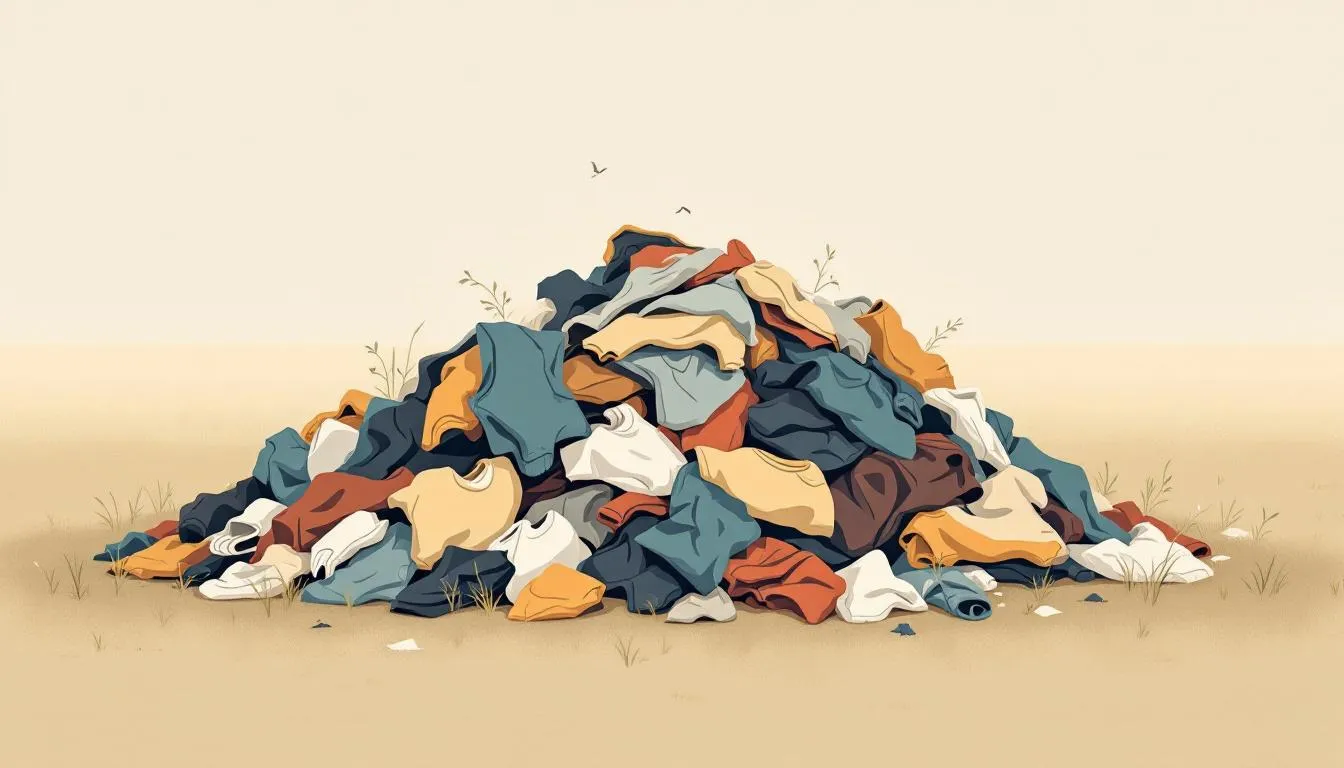
Fast fashion’s relentless push for cheap, quickly producing clothes has significant environmental and social consequences. This results in immense waste, with 85% of textile waste ending up in landfills annually, and the industry contributing to 10% of global greenhouse gas emissions and carbon footprint emissions.
The environmental harm from fast fashion highlights the urgent need for sustainable alternatives.
Environmental consequences
The fashion industry generates more pollution than international flights and maritime shipping combined, primarily due to dyeing and finishing processes in the textile industry. Fast fashion’s rapid cycle exacerbates these issues, stressing the need for ethical and sustainable practices in the clothing industry.
Social implications
The social impact of fast fashion is equally concerning, with 80% of the workforce being young women aged 18 to 24, often working in poor conditions. Forced and child labor in garment factories across various countries further underscores the human cost.
Core Principles of Slow Fashion
Slow fashion centers on:
-
Quality
-
Sustainability
-
Ethical practices
-
Mindful design
-
Conscious consumption
It promotes long-lasting, high-quality clothing over fast, disposable fashion, reducing the need for frequent replacements and fostering sustainable clothing.
This approach can enhance customer trust and loyalty by emphasizing quality over quick production.
Sustainability in slow fashion
Sustainability is central to slow fashion, with brands focusing on:
-
Choosing natural materials and sustainable materials to minimize environmental impact
-
Using eco-friendly materials like Tencel and organic cotton (as done by companies like Reformation)
-
Ensuring fair wages and safe conditions for workers
Innovative materials and recycled materials recycling technologies are continually developed to reduce waste and extend the lifecycle of garments.
Quality over quantity
Quality over quantity is a core principle of slow fashion, urging consumers to invest in durable, timeless clothing instead of fast, disposable fashion. This reduces the need for frequent replacements and fosters more sustainable choices.
High-quality garments can be identified by avoiding synthetic fabrics and checking for good stitching.
Benefits of Embracing Slow Fashion
Embracing slow fashion benefits the planet, garment workers, and consumers. Supporting slow fashion brands helps reduce resource use, minimize waste, and promote sustainability in the fashion industry.
Buying quality clothing enhances personal style and saves money in the long run by reducing the need for frequent replacements.
Better for the planet
Slow fashion reduces pollution by minimizing waste and using eco-friendly materials. This conserves vital resources like water and lowers carbon emissions from clothing production.
Buying vintage items supports slow fashion and extends the lifecycle of clothing, aiding resource conservation.
Better for consumers
Investing in slow fashion leads to:
-
Unique styles that stand out from mass-produced clothing, enhancing personal style.
-
Buying fewer, higher-quality items which encourages intentional choices.
-
Improved financial health and reduced consumption.
The quality over quantity principle encourages viewing clothing purchases as long-term investments, ultimately saving money, even if they come with a higher price tag.
How to Adopt a Slow Fashion Lifestyle
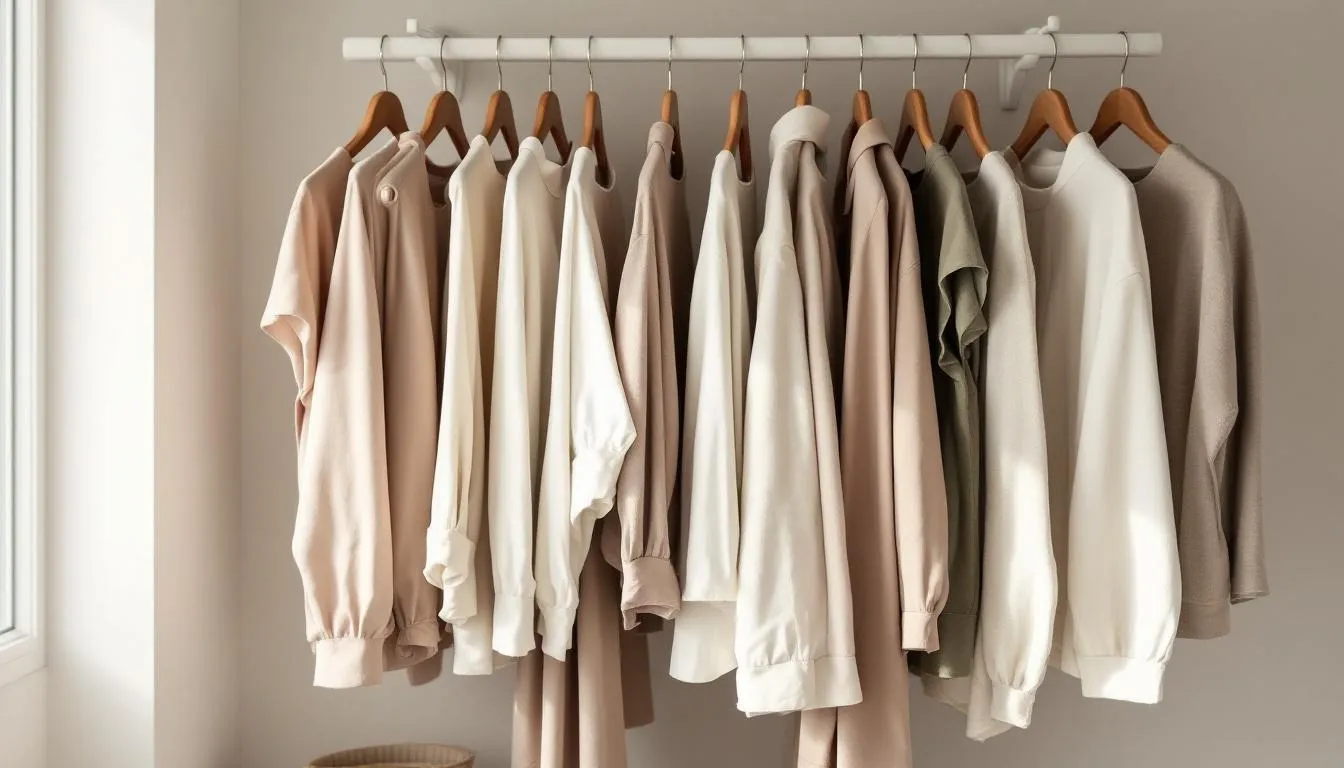
Adopting a slow fashion lifestyle involves shifting from frequent, impulse buying to more thoughtful purchasing. Despite challenges like higher costs and limited availability, the benefits of slow fashion outweigh these obstacles.
Building a capsule wardrobe
A capsule wardrobe consists of timeless, well-fitting clothes that can be mixed and matched, simplifying choices and focusing on high-quality, versatile items.
Evaluate your current wardrobe to decide what to keep or discard, and choose a neutral color palette for easy mixing and matching.
Choosing second-hand and vintage
Second-hand and vintage clothing offer unique finds while promoting sustainability. Though some may hesitate to buy secondhand, this practice supports slow fashion and reduces waste.
Caring for your clothes
Proper care extends your clothes’ lifespan and reduces the need for frequent replacements. Learn simple sewing skills, wash less often, and adopt a circular approach to clothing disposal to minimize waste.
Challenges and Opportunities in Slow Fashion
The slow fashion movement faces challenges like higher costs, limited availability, and the need for consumer education. These challenges also present opportunities for growth and innovation in the sustainable fashion industry.
Scaling sustainable practices
Scaling sustainable practices is crucial for the slow fashion movement’s survival and relevance. Brands using innovative practices like AI for inventory management minimize waste and enhance sustainability.
Integrating these fair practices helps slow fashion brands grow while staying true to their responsible business practices and ethical and sustainable missions.
The Future of Slow Fashion
The future of slow fashion will be shaped by innovative technologies and expanded consumer education, enhancing sustainable practices in the fashion industry and encouraging more mindful purchasing choices.
Technological advancements
The slow fashion industry is expected to integrate advanced technologies for efficiency and sustainability. Innovations like 3D printing and AI-driven design are optimizing inventory management and reducing unsold stock.
These advancements enhance supply chain transparency and support a circular fashion economy by promoting sharing, recycling, and using higher quality materials.
Consumer education
Consumer education is crucial for the slow fashion movement’s growth. Raising awareness about fashion choices and the benefits of slow fashion empowers encouraging consumers to make more mindful, sustainable purchases. Expanded education efforts will help maintain ethical standards and support broader adoption of conscious consumption habits, ultimately responding to consumer demand.
Summary
In conclusion, the slow fashion movement offers a compelling alternative to the detrimental impacts of fast fashion. By embracing slow fashion, we can reduce environmental pollution, promote fair labor practices, and make more sustainable fashion choices. As consumers become more informed and technologies advance, the slow fashion industry will continue to grow and thrive. Let’s make a conscious effort to buy less, choose well, and cherish the clothes we own.
Frequently Asked Questions
What is slow fashion?
Slow fashion is a movement that prioritizes ethical practices and sustainability in clothing production, promoting the purchase of fewer, high-quality items that endure over time. This approach not only benefits the environment but also encourages mindful consumption.
What are the environmental impacts of fast fashion?
Fast fashion has a substantial negative impact on the environment, accounting for 10% of global carbon emissions and resulting in 85% of textiles being discarded in landfills annually. Addressing these issues is crucial for sustainable consumption and protecting the environment.
How can I transition to a slow fashion lifestyle?
Transitioning to a slow fashion lifestyle requires you to curate a capsule wardrobe of timeless pieces, prioritize second-hand and vintage clothing, and diligently care for your garments to maximize their longevity. Embracing these practices fosters sustainability and enhances your personal style.