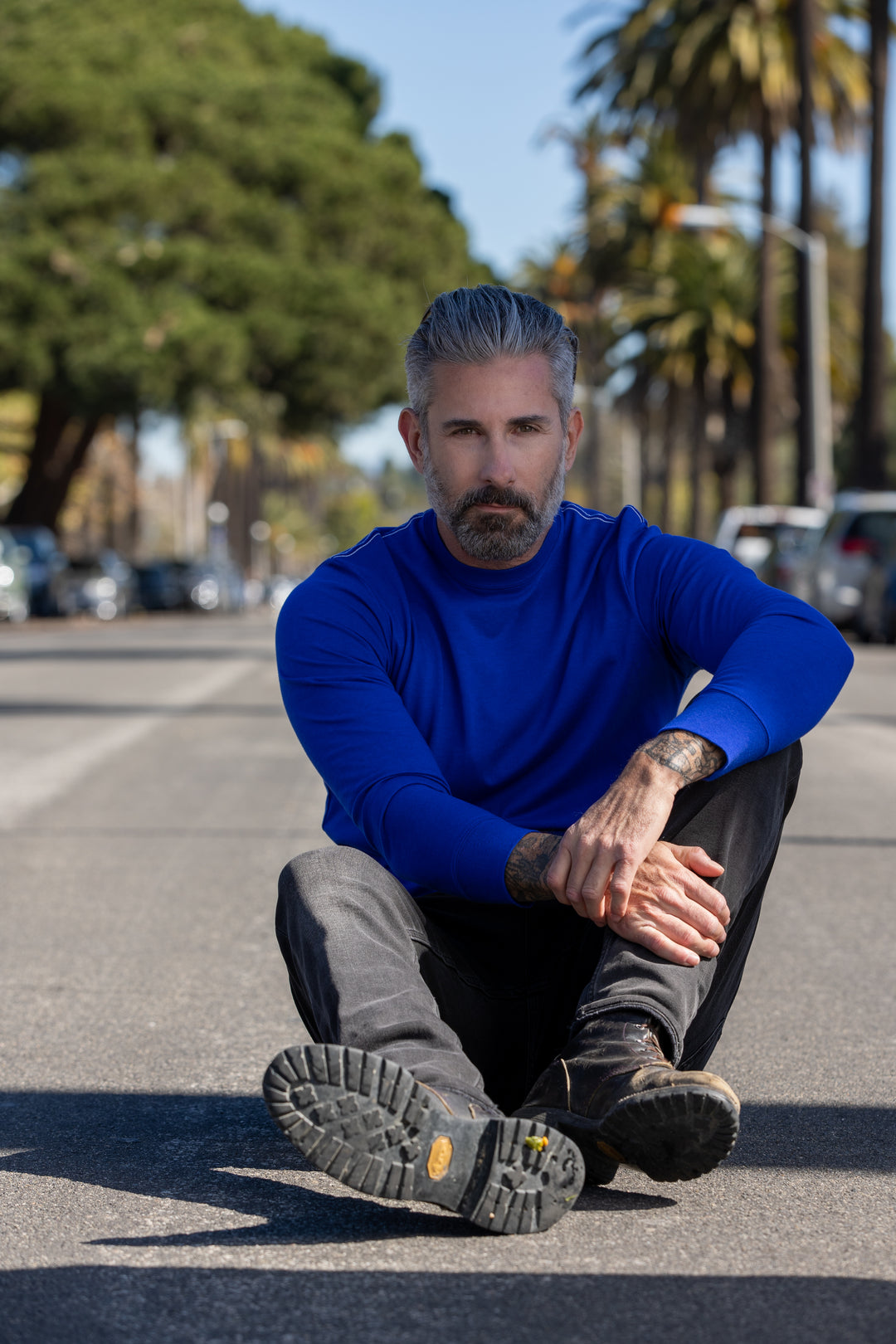
Choosing the right T-shirt is about more than finding the right color or fit. The fabric affects how a shirt feels against your skin, how it handles heat and moisture, how well it holds up after repeated washing, and how comfortable it is for long hours of everyday wear. This is why bamboo T-shirts have become an increasingly popular alternative to conventional cotton and synthetic shirts. Bamboo-derived fabrics are known for their smooth feel, moisture management, breathability, and comfortable drape, making them particularly appealing for people looking for clothing that can transition easily between work, travel, relaxation, and daily activities.
However, bamboo T-shirts and regular T-shirts are not simply different versions of the same product. The raw materials, manufacturing methods, fabric characteristics, environmental considerations, and care requirements can all differ. Understanding these differences can help you decide whether quality bamboo clothing makes sense for your wardrobe and what you should look for when shopping for a bamboo T-shirt.
Key Takeaways and Key Differences
The biggest difference between bamboo T-shirts and regular T-shirts is the type of fiber used to create the fabric. Many bamboo garments are made from bamboo-derived viscose or rayon, while conventional T-shirts are commonly manufactured from cotton, polyester, or blends of different fibers. These materials can produce noticeably different results in softness, moisture handling, breathability, stretch, drape, and everyday comfort.
Quality bamboo clothing is particularly valued for its smooth texture and ability to manage moisture close to the skin. This can make a bamboo T-shirt comfortable during warm days, travel, exercise, or extended periods of wear. Cotton remains an excellent and widely used natural fiber, but it can retain moisture and may take longer to dry once saturated. Polyester often dries quickly and is durable, although its feel and odor performance can differ from plant-derived fabrics.
There is no single fabric that is ideal for every person or situation. The better choice depends on climate, activity level, personal preference, garment construction, and fabric quality. For shoppers prioritizing softness, comfortable moisture management, and a lightweight feel, bamboo T-shirts can be a compelling everyday option.
What Is Bamboo Fabric Versus Conventional Cotton
Bamboo fabric starts with bamboo as its plant-based raw material, but the bamboo stalk itself does not simply become a soft T-shirt fiber. Most soft bamboo clothing sold today is made by processing bamboo cellulose into regenerated fibers such as viscose or rayon. The resulting fibers are spun into yarn and then knitted or woven into fabric.
Conventional cotton follows a different production process. Cotton fibers naturally grow around the seeds of the cotton plant. Standard cotton does not include bamboo-derived fibers or blends. After harvesting and processing, those fibers can be cleaned, spun into yarn, and manufactured into fabric. Cotton has been used for clothing for generations because it is versatile, breathable, familiar, and available in many different weights and constructions.
The distinction is important because shoppers sometimes assume that all bamboo fabric is minimally processed simply because bamboo is a plant. In reality, the environmental profile of bamboo-derived fabric depends heavily on how the fiber is manufactured, including how chemicals are managed, energy use, water treatment, and production standards. When comparing bamboo versus cotton T-shirts, it is therefore better to evaluate the finished garment and manufacturing information rather than relying solely on the name of the raw material.
Why Quality Bamboo Clothing Feels Soffter
One of the first things many people notice about quality bamboo clothing is its exceptionally smooth feel. Bamboo-derived viscose fibers can be manufactured into fine, soft yarns, and bamboo fibers are naturally round, which helps create fabric with a fluid drape and comfortable surface. That smooth surface helps with reducing friction against the skin. This makes bamboo T-shirts appealing for people who want a shirt that feels gentle during extended contact with the skin.
Fabric construction also plays a major role. Fiber quality, yarn thickness, knit structure, finishing techniques, and blends can all affect how soft a garment feels. A well-made bamboo T-shirt can have a silky, lightweight feel that feels incredibly soft, with a smooth hand similar to silk, without necessarily feeling overly thin. Some bamboo garments also incorporate a small percentage of stretch fiber to help improve flexibility and shape retention.
Regular cotton T-shirts vary considerably in softness. Premium combed or long-staple cotton can also feel exceptionally smooth, while inexpensive cotton shirts may feel rougher or become stiffer depending on construction and washing. For this reason, comparing quality bamboo clothing with an average cotton shirt often reveals a noticeable difference, but shoppers should still consider the specifications and quality of each individual garment.
Moisture Management and Hot Weather Performance
Hot weather makes fabric performance particularly important. When the body produces sweat, comfortable clothing needs to manage that moisture while allowing heat to escape. Bamboo-derived fabrics can support moisture wicking and moisture control by pulling sweat through the material, helping reduce the uncomfortable clammy feeling that can occur when a shirt remains damp against the body.

This characteristic makes bamboo T-shirts useful for summer, travel, casual outdoor activities, and everyday situations where temperatures fluctuate. Their soft drape and breathable fabric construction can also help the garment feel less restrictive during warm conditions. Microscopic gaps in the material can also help regulate body temperature by trapping small pockets of air. Actual cooling performance, however, depends on more than fiber type. Fabric weight, knit density, fit, humidity, airflow, and activity level all influence how cool a T-shirt feels, especially in humid conditions or when temperatures climb.
Cotton is naturally breathable and remains a dependable option in warm weather, but it can hold a significant amount of moisture after becoming wet. Polyester generally dries faster, which is why it is commonly used in athletic clothing, although some wearers prefer the feel of plant-derived fabrics for everyday use. Bamboo T-shirts can provide a useful balance for shoppers who prioritize softness, breathability, and moisture management in one garment, since the fabric absorbs moisture and moves it away more efficiently for staying cool and feeling fresh, making it a strong option for anyone looking for the perfect fabric for hot-weather everyday comfort.
Environmental Impact: Growing Processing And End-Of-Life
Bamboo is one of the fastest growing plants, typically reaching maturity in 3–5 years, and some species can be cultivated with relatively low agricultural inputs. It can also regenerate from its own root system. These characteristics have helped bamboo gain attention as a potential raw material for textiles, and it also absorbs large amounts of carbon dioxide while often being noted for generating 35% more oxygen than trees. However, evaluating sustainability requires looking beyond how quickly the plant grows.
Transforming bamboo into soft viscose fabric usually requires substantial industrial processing. Environmental performance can vary significantly depending on the manufacturing system, chemical recovery practices, energy sources, wastewater management, and supply-chain standards, including whether harsh chemicals are used or recovered responsibly. Modern closed-loop or better-controlled manufacturing systems may reduce some impacts, while poorly managed production can create environmental concerns.
Cotton has its own environmental considerations, including land use, irrigation in certain growing regions, pesticide and fertilizer use in conventional agriculture, processing, dyeing, and finishing. Compared with conventional cotton, bamboo generally needs less water during growth and typically requires fewer pesticide inputs. Organic or responsibly produced cotton may address some of these issues, but environmental performance still varies by producer and location.
End-of-life considerations are similarly nuanced. A garment's fiber blend, dyes, finishes, and local waste infrastructure can affect whether it can realistically be recycled, composted, or otherwise recovered, though bamboo-based garments may be biodegradable depending on blend and finishing, unlike many synthetic fabrics. The most practical approach for consumers is often to purchase well-made clothing, wear it frequently, care for it correctly, and keep it in use for as long as possible.
Durability And Care For Quality Bamboo Clothing
A quality bamboo T-shirt can provide long-lasting everyday wear when it is treated properly. Because soft bamboo-derived fabrics may be more sensitive to aggressive laundering than some heavier cotton or synthetic garments, especially after frequent washing, following the care label is especially important.
Gentle washing can help protect the fibers, maintain softness, and reduce unnecessary stretching. Cold water is often appropriate for bamboo garments, while harsh detergents, bleach, excessive heat, and aggressive drying may shorten the useful life of the fabric. Turning a T-shirt inside out before washing can also help protect the outer surface and printed designs.
Drying technique matters as well. High heat can contribute to shrinkage and fiber stress in many fabrics. Air drying or using a low-heat setting, when permitted by the garment's care instructions, can help maintain the shirt's original fit and appearance.
Durability should also be considered when purchasing the garment. Strong seams, good stitching, appropriate fabric weight, quality finishing, and proper construction can matter just as much as the fiber name printed on the label. A well-constructed bamboo shirt that receives appropriate care can become a dependable part of an everyday wardrobe.
Everyday Wear: Bamboo T Shirts Bamboo Underwear And Travel
Bamboo T shirts are particularly versatile because they can work across a wide range of everyday situations. A simple Men's Bamboo Viscose T-Shirt can be worn at home, layered under a jacket, paired with casual pants, or used as a comfortable travel shirt. The smooth fabric and relaxed feel can make it suitable for long days when comfort is a priority.
The same characteristics explain the popularity of bamboo underwear. Clothing worn directly against the skin benefits from softness and effective moisture management, and bamboo clothing may also help limit bacterial growth and odor in next-to-skin clothes, which can mean fewer washes for some everyday items, especially underwear or travel basics. Fit and construction remain important, but fabric choice can significantly influence everyday comfort.
Travel is another situation where bamboo clothing can be useful. Comfortable garments and other clothes that can serve multiple purposes help reduce the number of specialized items needed in a suitcase. A bamboo T-shirt can work for sightseeing, casual meals, lounging, or layering during changing temperatures. Travelers should still account for drying conditions and pack enough clothing for their itinerary, since drying time varies with fabric thickness, humidity, and airflow.
Buying Guide: How To Choose Quality Bamboo Clothing
Start by checking the garment's fiber-content label rather than relying only on marketing terms such as "bamboo clothing." Look for information identifying whether the material is viscose or rayon derived from bamboo and whether it is blended with cotton, elastane, or another fiber. Blends are not necessarily inferior; a small amount of stretch fiber, for example, may improve flexibility and fit. Some bamboo cotton blends also change softness, breathability, and moisture performance. Compared with standard cotton, these blends often feel softer and manage heat and sweat differently.
Next, examine fabric construction and garment quality. A good bamboo T-shirt should feel smooth and comfortable while still having enough structure for its intended use. Inspect the neckline, hems, seams, stitching, and overall finish. For online purchases, review the size chart carefully because the soft drape of bamboo fabric may produce a different fit from a heavier conventional cotton shirt.
Care instructions are another useful buying consideration. If you want clothing that maintains its appearance for a long time, make sure its recommended washing routine suits your lifestyle. Product transparency regarding fiber composition, manufacturing standards, and care can also help you make a more informed purchase, especially if you are also comparing organic cotton or other fabrics as lower-impact options.
Finally, consider how you actually plan to use the garment. A lightweight bamboo T-shirt may be excellent for hot weather and layering, while a heavier shirt may be preferable for cooler temperatures. Bamboo clothing can also cost more than cotton because the fiber is more heavily processed. Choosing according to your intended use is more effective than selecting a garment based solely on fabric claims.
Final Recommendation: When To Choose Bamboo T Shirts
Bamboo T-shirts are worth considering when softness, everyday comfort, moisture management, and a smooth lightweight feel are priorities. They can be particularly useful for warm-weather wardrobes, travel, casual wear, layering, and staying cool if you prefer exceptionally soft clothing against your skin.

Regular cotton T-shirts remain practical and versatile, and high-quality cotton can provide excellent comfort and durability. Synthetic performance shirts may also be preferable for certain demanding athletic activities where rapid drying is the primary concern. The right choice therefore depends on how and where you intend to wear the garment.
For everyday use, a well-made bamboo T-shirt offers an appealing combination of comfort, versatility, and fabric performance. Choosing quality construction and following appropriate care instructions are essential for getting the best value from the garment. If you are building a wardrobe around soft, comfortable basics, bamboo T shirts, bamboo underwear, and other quality bamboo clothing can provide practical alternatives to conventional everyday apparel, and if you wear bamboo across categories, it can be useful to look at a brand’s full collection.
Frequently Asked Questions
Is Bamboo Cooler Than Cotton In Hot Weather?
Bamboo-derived fabric can feel comfortable in hot weather because it combines breathability with effective moisture absorption and a smooth, lightweight feel. However, bamboo is not automatically cooler than every cotton fabric. Fabric thickness, knit construction, fit, airflow, humidity, and sweat levels all influence thermal comfort. A lightweight, breathable bamboo T-shirt can be an excellent warm-weather choice, while high-quality lightweight cotton can also perform very well.
Do Bamboo T-Shirts Shrink Or Lose Shape?
Bamboo T-shirts can shrink or change shape if they are exposed to excessive heat or aggressive washing and drying. The amount depends on the specific fabric construction, blend, and manufacturing process. Washing according to the care label, avoiding unnecessarily high temperatures, and using gentle drying methods can help preserve the original size and shape of quality bamboo clothing.
Are Bamboo Fabrics Better For Sensitive Skin?
Many people appreciate bamboo-derived fabrics because they are often described as naturally hypoallergenic for sensitive skin, and their smooth and soft surface can feel comfortable against the skin. Bamboo fibers are naturally round and smooth, which can reduce friction against the skin. However, individual skin sensitivities vary, and no fabric can be guaranteed to prevent irritation for everyone, since reactions can also depend on dyes, finishes, or processing rather than the fiber alone. Dyes, finishes, detergents, seams, fit, and other garment components can also affect skin comfort. People with known sensitivities should check the complete fiber composition and garment details before purchasing.
How Should I Wash Bamboo T-Shirts For Longevity?
Always start with the manufacturer's care label. In general, gentle washing with cold or cool water and a mild detergent can help preserve bamboo T-shirts. Avoid bleach and excessive heat unless specifically permitted by the care instructions. Washing shirts inside out and air drying or tumble drying at a low temperature, when appropriate, can also help protect softness, shape, and printed designs.